

How are you staying ahead of the curve in cybersecurity?
If you’re a CISO or CIO wrestling with evolving threats, supply chain risks, or the cyber talent crunch, then you NEED to watch this.Last Updated: February 25, 2026
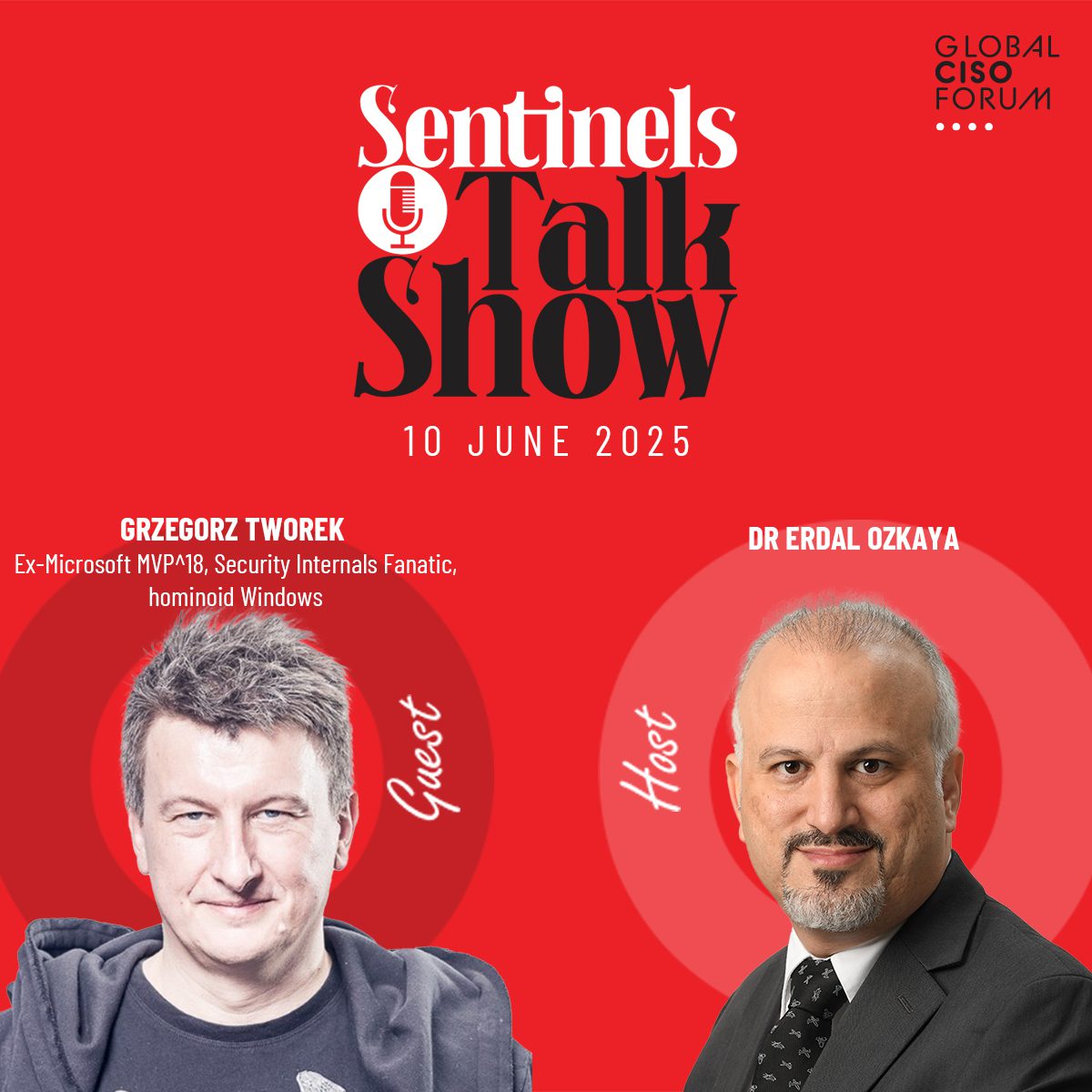
We just had a phenomenal conversation with Grzegorz Tworek on Sentiel’s Talk! Grzegorz, a true legend in the field and a Microsoft MVP, unpacked practical strategies for leaders. He shared his unique take on AI’s role in cyber, balancing security with innovation, and how to talk about risk with your board. Trust me, this is one episode you’ll want to save and share. Catch the full video here: Listen in Spotify : Click here Watch the other episods hereStaying ahead with Sentinels Talk Show
About Grzegorz Tworek
Grzegorz Tworek is a veteran cybersecurity expert with decades of experience, specializing in malware, Windows OS security, APIs, and low-level programming. He has built and led security teams, developed critical tools, and contributed to both prosecuting and defending hackers. He has received over 15 Microsoft Most Valuable Professional awards, highlighting his significant contributions. •AI-Driven Cybersecurity Threats and Proactive Defense: The cybersecurity landscape is rapidly evolving with AI influencing both attacks and defenses. CISOs and CIOs must prepare for emerging AI-driven threats by adopting proactive strategies that leverage advanced technologies to anticipate and counteract novel risks •Strategies Against Malware Deluge and Zero-Day Vulnerabilities: With over 450,000 new malware samples daily, CISOs and CIOs face immense challenges. Effective defense requires going beyond traditional antivirus by implementing proactive strategies and leveraging technologies and processes to stay ahead of zero-day and evasive threats •Balancing Security with Business Growth and Innovation: CISOs must collaborate with CIOs to ensure security supports business agility and innovation, especially when adopting new technologies like cloud and generative AI, positioning security as an enabler rather than a barrier •Supply Chain Security and Risk Management: The rise in supply chain attacks necessitates practical strategies for assessing, mitigating, and continuously monitoring cybersecurity risks from third-party vendors and partners, leveraging deep system knowledge to protect organizational integrity •Measuring Security Effectiveness and Communicating with Leadership: CISOs face challenges in demonstrating security ROI and explaining technical risks to non-technical boards. Key metrics and communication approaches are essential for articulating cybersecurity program efficacy and risk posture to executive leadership.How can CISOs and CIOs defend against the massive daily influx of new malware and zero-day vulnerabilities?
To combat the massive daily influx of new malware and zero-day vulnerabilities, CISOs and CIOs should consider the following strategies:- Advanced Threat Intelligence and Behavioral Analytics: Implementing advanced threat intelligence and behavioral analytics can help identify and mitigate threats before they cause harm. This involves continuously monitoring network traffic and user behavior to detect anomalies that may indicate a security breach 1.
- Machine Learning for Anomaly Detection: Leveraging machine learning algorithms can enhance the detection of unusual patterns and behaviors that traditional security measures might miss. These algorithms can learn from past incidents and improve their accuracy over time 1.
- Proactive Vulnerability Management: Regularly updating and patching systems to address known vulnerabilities is crucial. This proactive approach helps prevent attackers from exploiting outdated software and hardware 1.
- Sandboxing and Endpoint Detection and Response (EDR) Tools: Using sandboxing techniques to isolate and analyze suspicious files in a controlled environment can prevent malware from spreading. EDR tools provide real-time visibility into endpoint activities, enabling quick detection and response to threats 1.
- Collaboration Across Security Teams: Fostering collaboration and information sharing among security teams can enhance the overall security posture. Sharing insights on emerging threats and best practices can help organizations stay ahead of new and evolving threats 1.